The old grandfather clock

Elviejo2

It was always in the entryway of the main house, welcoming all the family members. From Motul they took it to Mérida, and from there it emigrated to Monterrey. Brown, serious, with a hard Roman face, it had a simple design, an elegant one. Without a doubt it was always appreciated and envied.

They brought it from a company called Ansonia, in New York, at the beginning of the twentieth century. At that time it was one of the most precise models available, thanks to the marvelous pendulum that swung harmoniously inside its sleek chamber.

It was not more than two meters tall and a little less than forty centimeters wide. With great pride it chimed every quarter-hour and religiously at the top of the hour.

The clock marked many of the family’s happy moments: the hour of births, the hour of weddings, the hour of victories. But it also marked times of suffering: the interminable hours of loss, both human and material.

After being a loyal and punctual witness, the old clock said farewell little by little to each of the family members, with such profound sadness that nothing, not even time itself, could completely remove.

San Nicolás

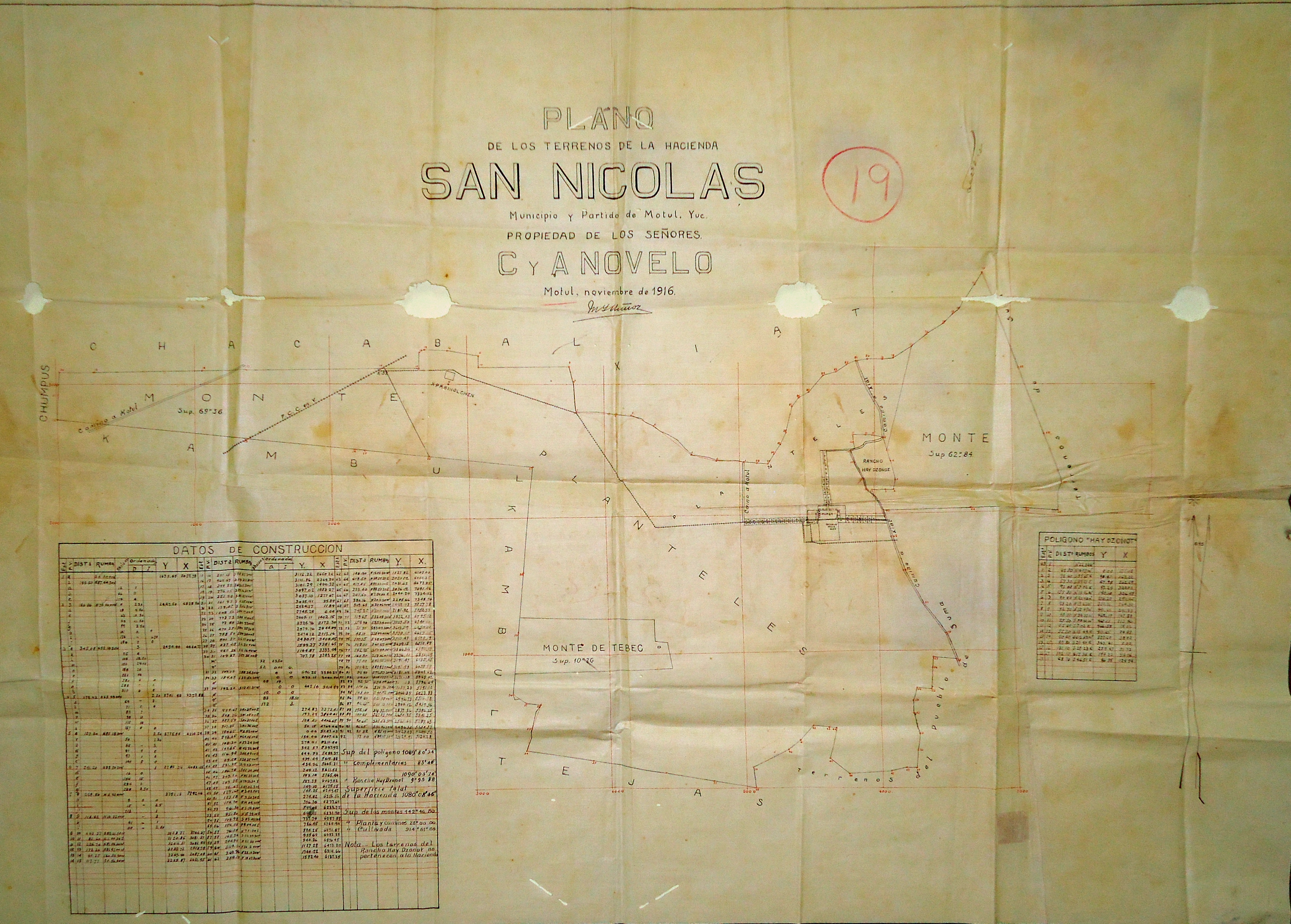
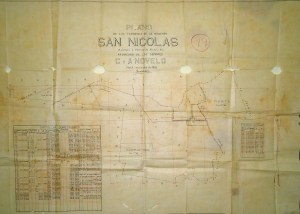
San Nicolás was the plantation that the Novelo Puerto family loved the most. It was the property that gave them more: more experience, more power, more fortune, surely. But the most important thing was that San Nicolás was their second home.

Crescencio and Rita took their first steps as hennequen plantation owners the twenty-fourth of December, 1885, in José Dolores Cámara’s office in the city of Motul. On that day and in that place was when they passed papers on the San Nicolás ranch and its annex, Pakbiholchén.

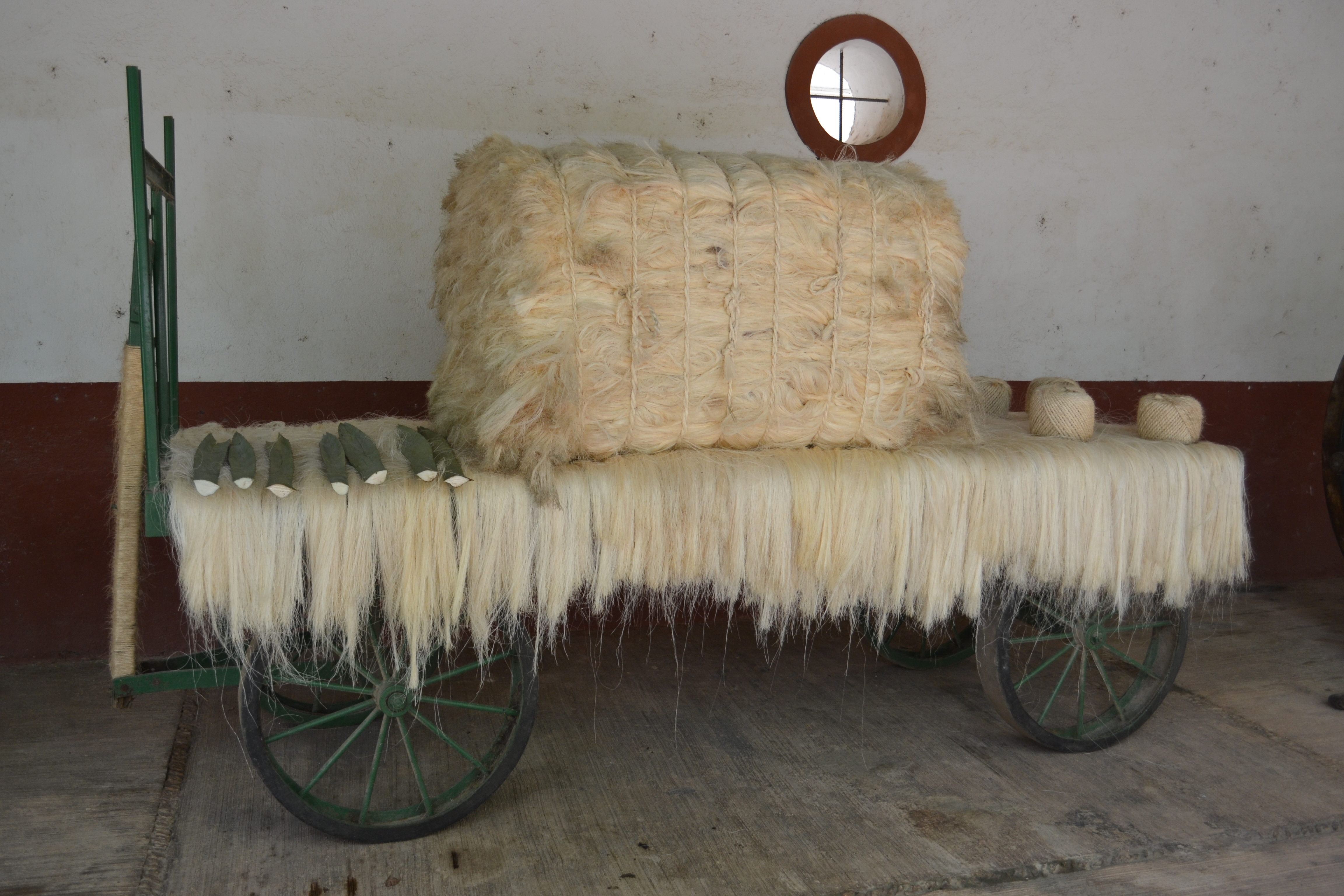
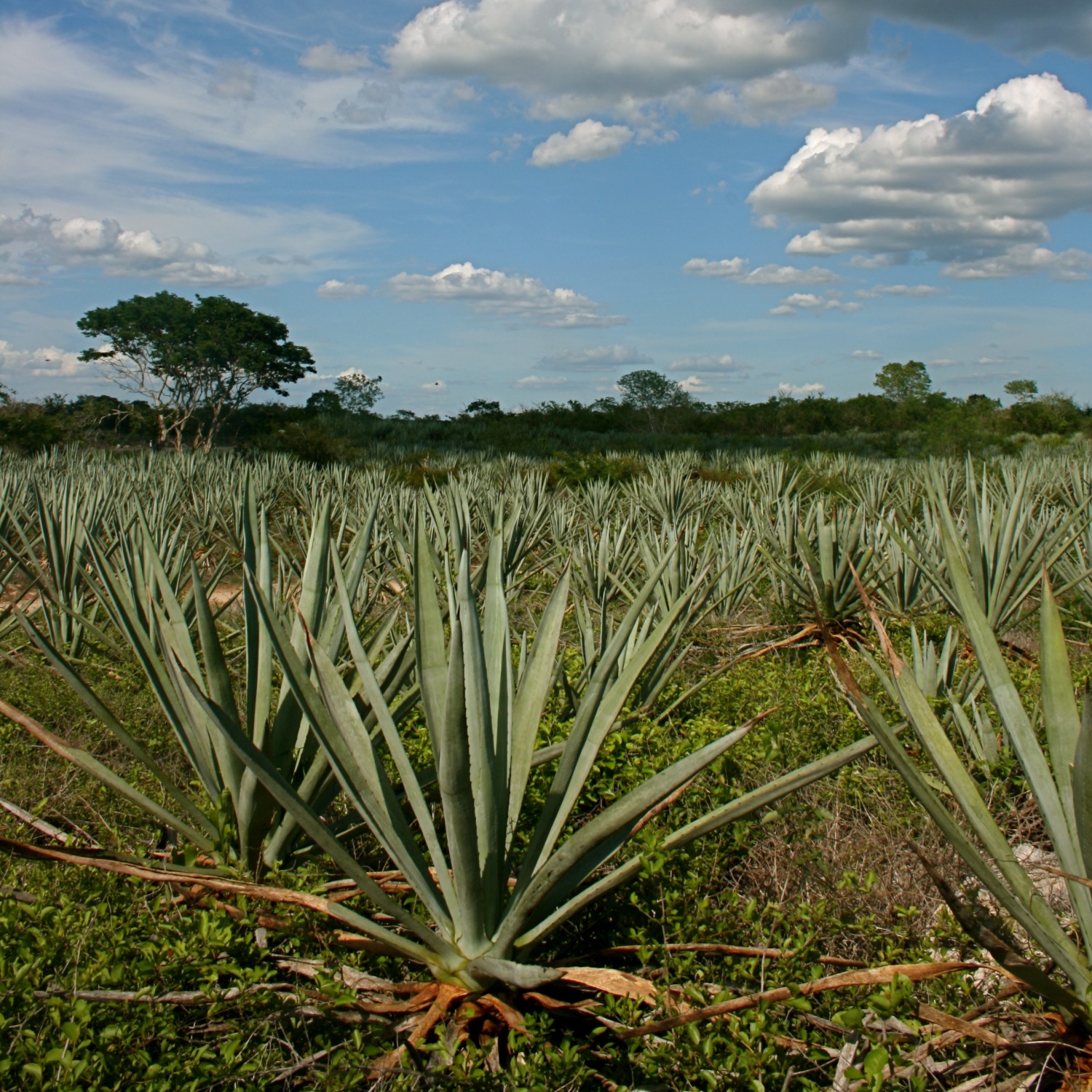
On this property they eventually had more than 120 heads of cattle, six saddle horses, fifty working mules and a honey farm, with 100 cork beehives. For hennequen production, they had a piece of machinery that transformed the agave leaves into fibers. It was inside a wooden and zinc building, which had, attached to it, a semi-fixed Marshal boiler. They had a Vencedora shredding machine, and a two horse-power Worthington pump. They also had a 400-pound press and 3 Aeromotor windmills. The Pichic field was seven thousand mecates in size, or approximately 140,000 meters of hennequen. The Kuichén field had 6,000 meters of hennequen for cultivation.

But to Crescencio and Rita the most important thing about the plantation was the sixty-three families who lived there and who, in one way or another, become part of their own family: the Pools, the Cans, the Peches, the Batúnes, the Mays, the Cehs, among many others. Most of them lived in houses on the three long streets to one side of the plantation.

The main house was very beautiful. Its walls were decorated with yellow flowers. There was a huge central patio with an enormous tree in the middle of it. The most important workers lived around the patio, like the mayocol, overseer of the col, or fields; the general manager; and the schoolteacher. That was also where the guest houses were. San Nicolás had a church, a school, and the building with the machinery, where they transformed the hennequen.

The Novelo Puerto family worked assiduously for many years and they spent so much time in this place that it became their second home. It was there that their children learned how to ride horses, where they had countless parties, where their beloved Marta was born, where they had many happy times with the family, and there, also, where they buried their family members. The Novelo Puerto family left a large part of their legacy in San Nicolás.
San nicolas

San Juan, San Martín, San Joaquín, and Santa Marta

A few years after acquiring San Nicolás, Crescencio and Rita decided to get a second plantation, called San Juan. And some time later came the annex hennequen plantations, San Martín and San Joaquín.

The last plantation they added to the family’s rustic lands was Santa Marta, a country estate situated ten kilometers north of the town of Telchac, part of Motul. They bought it from Pedro Pérez Miranda on the second of March, 1900.

And that’s how they found themselves at the beginning of the twentieth century: as an important center of the hennequen industry, with hundreds of workers depending on them. They had many heads of cattle, mares, donkeys, geldings, mules… So many families, so many animals and so many, so many things.

They passed their days administering the properties, thanking God for all the blessings they had received, and planning the next move. They both loved to work hard, and together they celebrated all their triumphs, even the tiny ones.

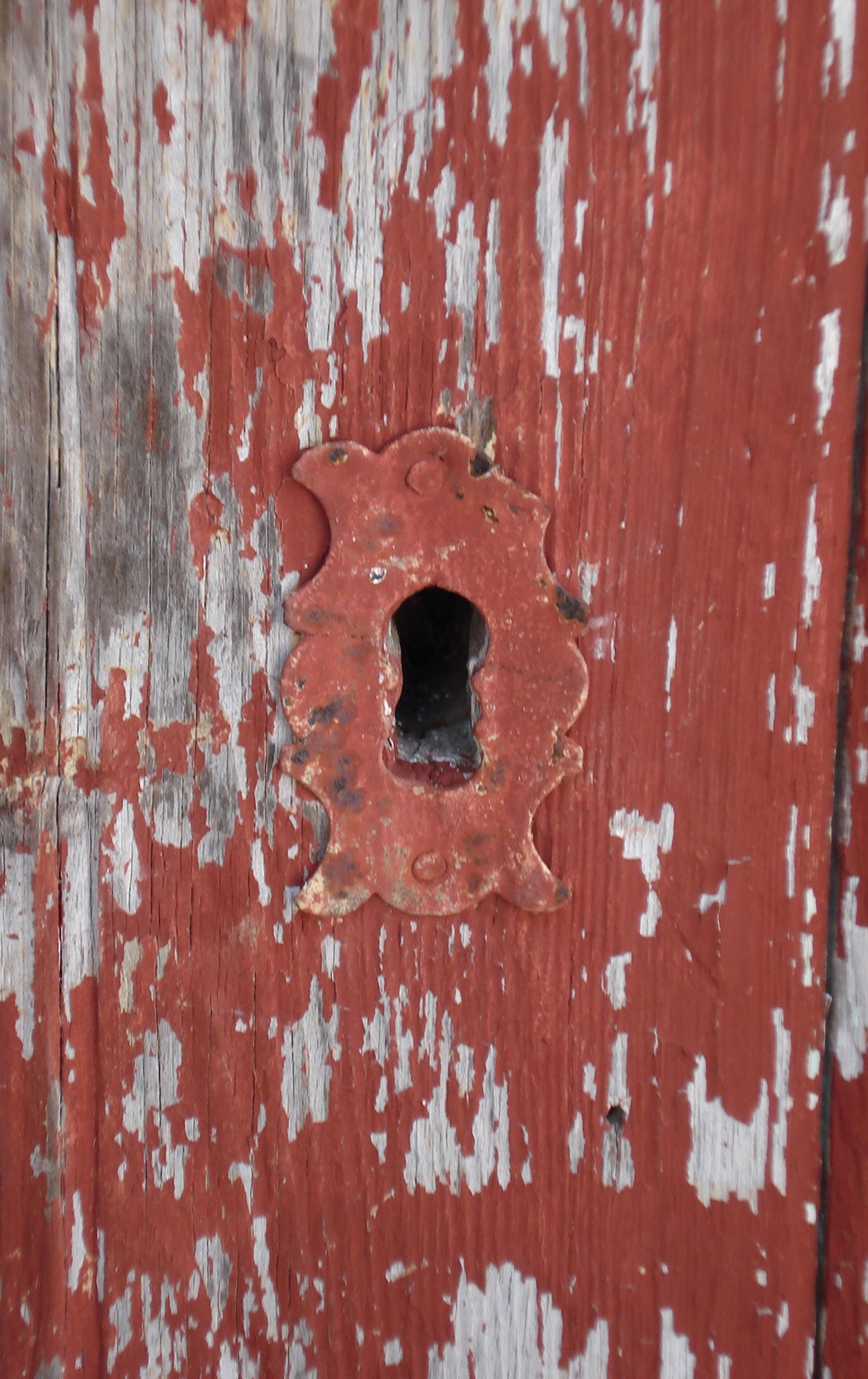
But the days were not as long as they would have liked, and unfortunately there were other things that were neglected. It’s not possible to have everything in life. If we could have seen through the keyhole into their home, we would have discovered that they both learned this in a most difficult way. The “saints” that were given to them wound up costing more than they ever could have imagined.

Merida 118

Cresencio’s store

Crescencio

Cresencio was so proud of his last name that he didn’t think twice when they asked him what he would call the new business everyone in Motul was talking about. “It will be called Novelo’s Convenience Store” he said without blinking. Although he didn’t know much about his own bloodline, Cresencio knew the history of the Novelo family very well, and he had been raised as one of them.

He arrived in Motul looking for fortune. The first step on his career path was the store he loved. It opened when the first rays of morning light appeared, a few minutes before five o’clock. At around three in the afternoon Cresencio started filling the kerosene lamps of the Luz Diamante de Longman and Martinez company, imported from New York. He was there until ten at night, when he went home to rest. He worked long hours and closed only on Sundays. But he knew that this was the only path to reaching his dreams.

There was a wide variety of products on his counters and shelves. From sewing needles to heavy farming equipment. But the most popular items were Mexican and international foodstuffs. Rice from Campeche, cocoa from Tabasco, coffee and beans from Veracruz, cod from Norway, cheese from Holland, beer from Germany, table wine from Burgandy, dried fruit and ham from Spain. He passed his days looking at these products, and creating business ties with their distributors.

He liked his store, but he had bigger dreams, and when the first opportunity arose in May of 1882, he crossed the Atlantic, touching European soil for the first time. His destination was Hamburg, Germany. He arrived full of hopes and dreams, and he was ready to take the next step on his path. He took many trips and thanks to his concentrated efforts, there were few missteps. And that was how, as someone had predicted, he carried the name he had been given far and wide: Novelo.

Sambulá Cenote

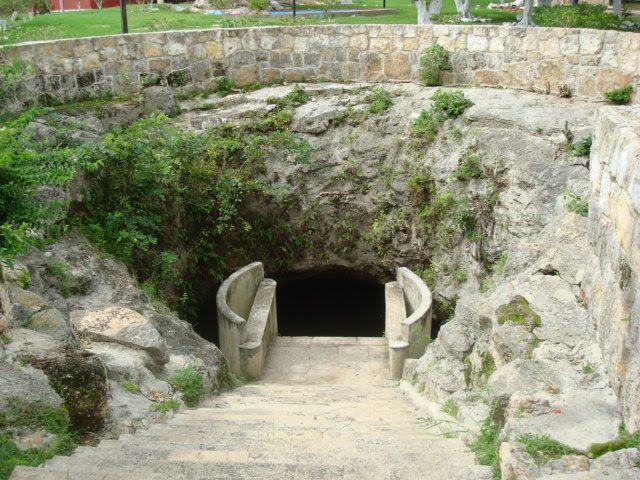
Any time Marta didn’t get what she wanted, she threatened to throw herself into the Ts’ono’ot, or the Sambulá cenote. Perhaps she got the idea from what were understood to be the Mayan rituals at cenotes, ones that involved human sacrifice. In Yucatán, there are thousands of cenotes, or sinkholes, that are like Sambulá.

The waters that flow underground througout Yucatán come to the surface as cenotes. Lacking rivers or lakes, large Mayan settlements tended to form around these cenotes, such that cities and towns grew up around them, too. That’s why the majority of today’s towns have a cenote, which, over time, has become a distinct characteristic of each region. The Sambulá cenote is the cenote of Motul.

Which makes it also the cenote of my story. The cenote of Marta, Rita, Amparo, and Beatriz. The first ones entered it, lighting their way with kerosene lamps, since this particular cenote is a closed one and it has hardly any openings that let the sunlight filter in.

And although Marta never followed through on her threat to throw herself into the Samulá cenote, she did experience, like the other women in my story, the great tranquility that comes from admiring the beautiful waters of the cenote: turquoise, crystal clear, lukewarm. They all went down to this underground cave and found a peaceful refuge there. Mainly during those moments when the rhythm of their lives changed for one reason or another. The Sambulá cenote was always there, ready to welcome them.

Imagen

Motul

ImagenIt was 1875 when the Novelo Puerto family settled in Motul, Yucatán. It was only three years earlier that this lovely village in the south of Mexico had become a city. At that time the population was less than three thousand.

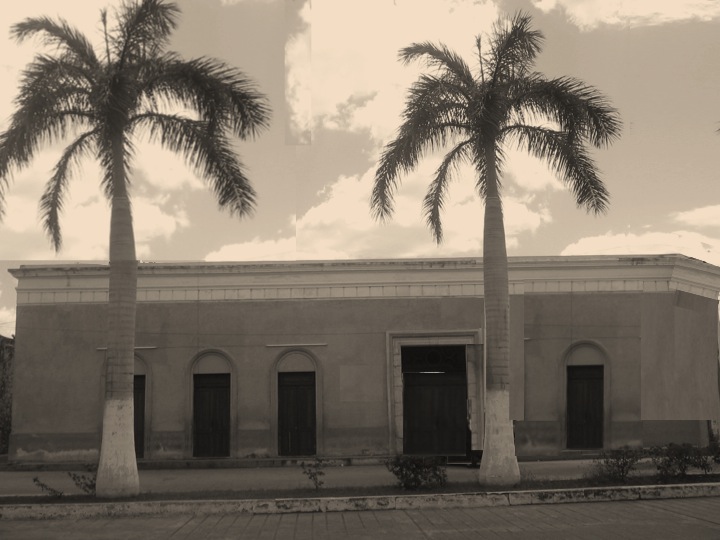
The Novelo Puerto family lived on one of the most important blocks in Motul. Just across from the main square, and next to the convent and the parish of San Juan Bautista. That is where Rita asked Crescencio to build their house, where their children were born, and where the family became an important part of the area’s development. There weren’t many other houses as large or as elegant as theirs. Perhaps there were six more, belonging to other families who, in one way or another, would participate in exporting Mexico’s products, such as cocoa or, later, in producing henequen.

It was also during this time when Motul saw the sudden appearance of an endless number of new businesses that specialized in books, glassware, hats, jewelry, tools of all kind, earthenware, bread, vegetables, icecream, soap, and candles. And convenience stores, like Crescencio’s, where they sold everything and nothing.

You could say that they grew together: at the end of the nineteenth century, the Novelo Puerto family as well as Motul experienced one of their most important periods.

Green Gold

Marta’s family called it ki and for years they mainly made xanab, yamal, and chim with it: sandals, rope, and bags for carrying what the crops yielded. The old people from the villages told tales of different Mayan princes and priests who had discovered the fiber’s special properties. It is Strong and Durable, which is why it was used it to carry very heavy cargo. There was a close relationship between the agave that produced the ki and the Mayans of this time. For many years it was the mainstay of their economy, their handicrafts, and even literature. When the boom was over, families like Marta’s returned to their ancestral customs.

Amparo’s family called it henequén, this agave fiber, and at the beginning of the nineteenth century, it was selling henequen that allowed them to amass a great fortune. Although their participation in the agave boom was small, their lives took a radical turn. The state of Yucatán was producing 90% of the world’s ropes and bags. That’s why it was called Green Gold. Never before was there a product that brought such riches to the state. But, nothing is eternal. When the henequen industry declined, families like Amparo’s felt lost for many years. At last they continued with their lives: one way or another they had to reinvent themselves.

Imagen

Beatriz

Beatriz

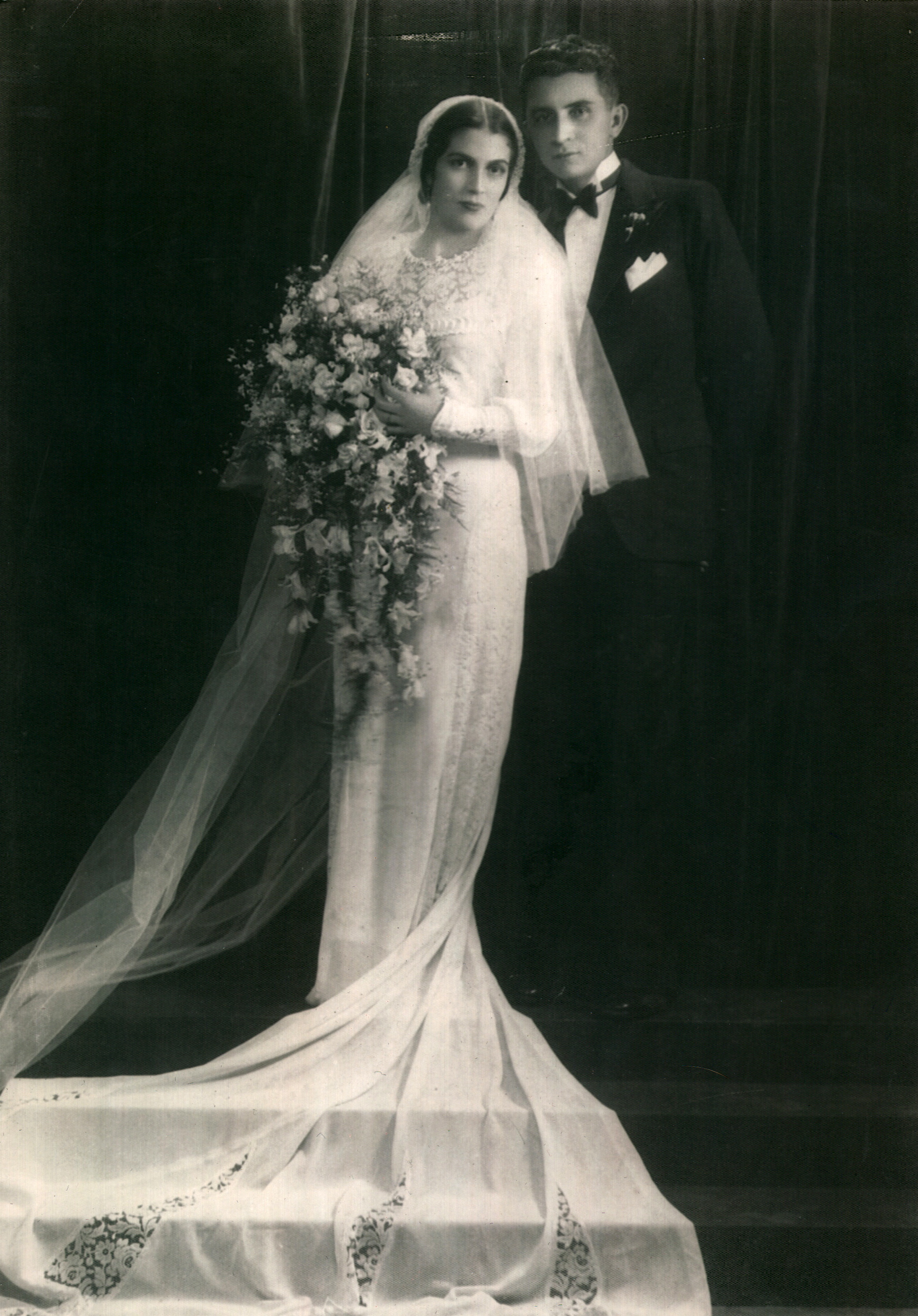
Rita Beatriz Bibiana Duarte Novelo (1911-1993)

If life took Amparo by surprise, we can say that the shock Beatriz received was ten times worse. That’s not why, however, her life is transcendent. The most important thing is the fact that she never complained. Beatriz was someone who had a Strength never before seen.

Given the events of her life, she could have chosen to play the role of broken-hearted leading lady many times over, and worse things, too. Instead, she decided to create a story of infinitive love, full of happiness, for the enjoyment and also the salvation of her whole family.

This story will recount her life up until the year 1967, which was the last time she saw her loyal and loved Marta. In that meeting, the two of them end a very important chapter of their lives. In that meeting, they embrace and say goodbye for the last time.

Amparo

Amparo

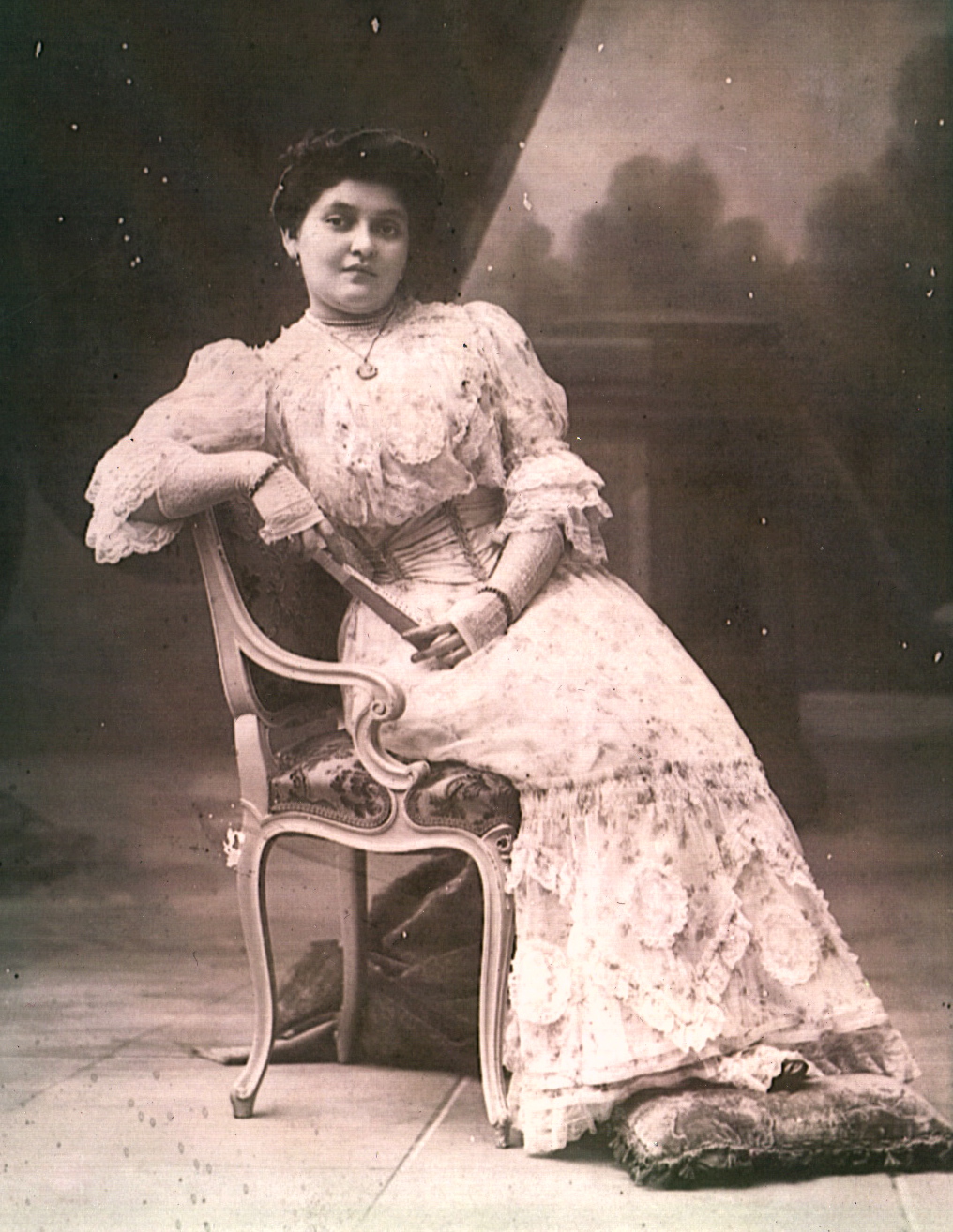
Loved. You were always very loved. Life gave you the opportunity to be doted on by your parents, protected by your brothers, idolized by your husband, adored by your children, loved by your grandchildren, and venerated by your employees.

Of course, life also saw you suffer. Before your eyes, the world of abundance collapsed and you couldn’t do a thing. You didn’t know how to do anything.

They taught you manners so you knew how to behave among the upper classes. They taught you to embroider with the finest threads, the most complicated stitches, and you created incomparable needlepoint. They taught you to play beautiful, classical melodies on the piano for the enjoyment of the family, and to pronounce, without imperfections, those languages thought to be refined. And, of course, they taught you to live your life in accordance with the Roman Catholic faith. None of these lessons was simple. But none of it prepared you for what life had in store just around the corner. It wasn’t your fault. No one could have imagined it.

Rita

Rita

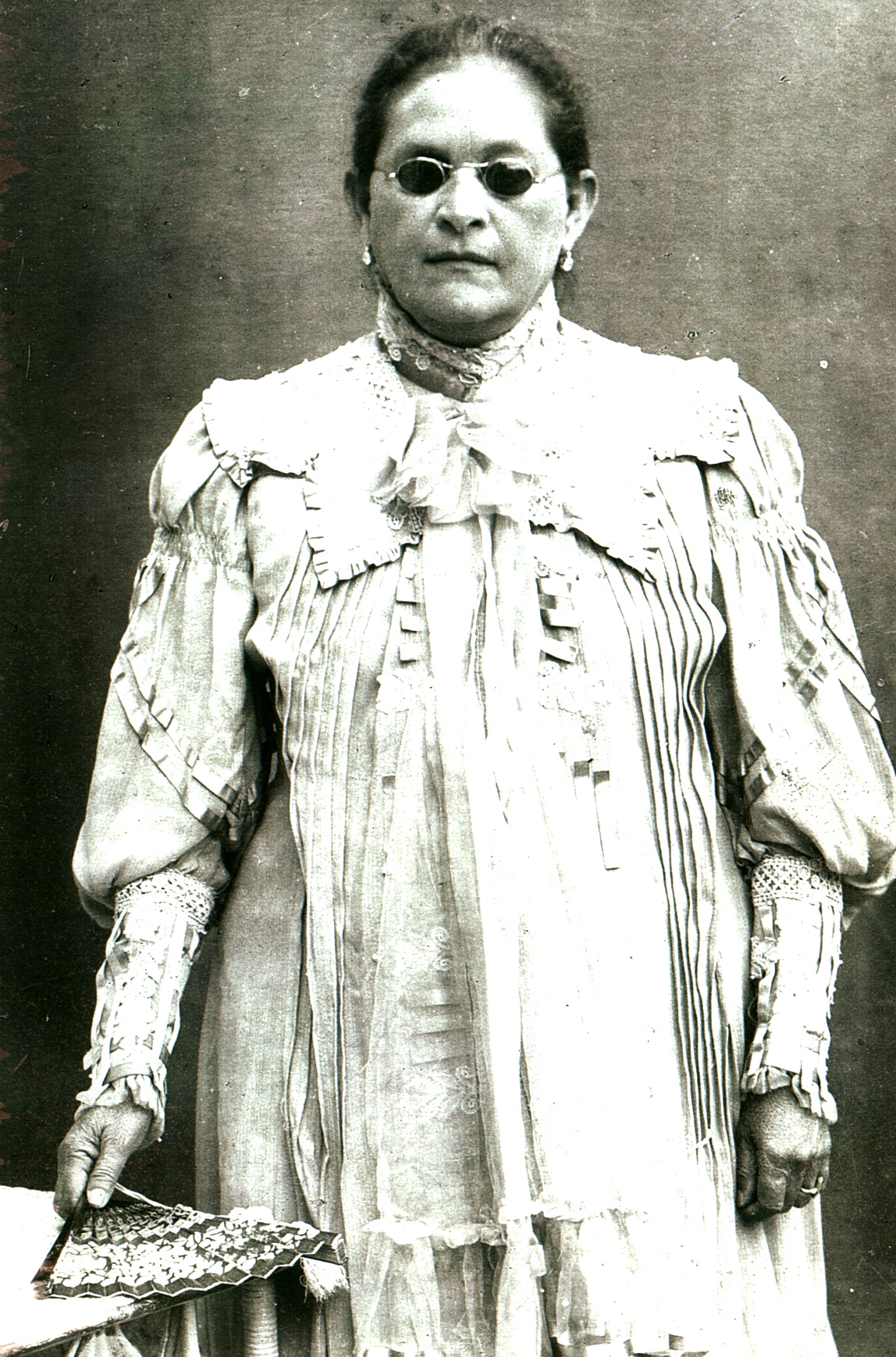
Rita Puerto Cuevas (1849-1913)

If I had to choose one word to describe you, I wouldn’t think twice. I would use the word Fighter.

I know my grandmother would prefer it if I used the word Victor, but knowing the story the way I do, I don’t agree one hundred percent. Readers will soon have the freedom to decide for themselves, but in the meantime let me say that we, the descendants of this woman, were brought up to be workers. Because of her we never allow ourselves to give up. Because of her we never allow ourselves to fall apart when faced with difficult, complicated moments. Men, and women too: we have all made our way forward.

And she is the one we need to recognize.