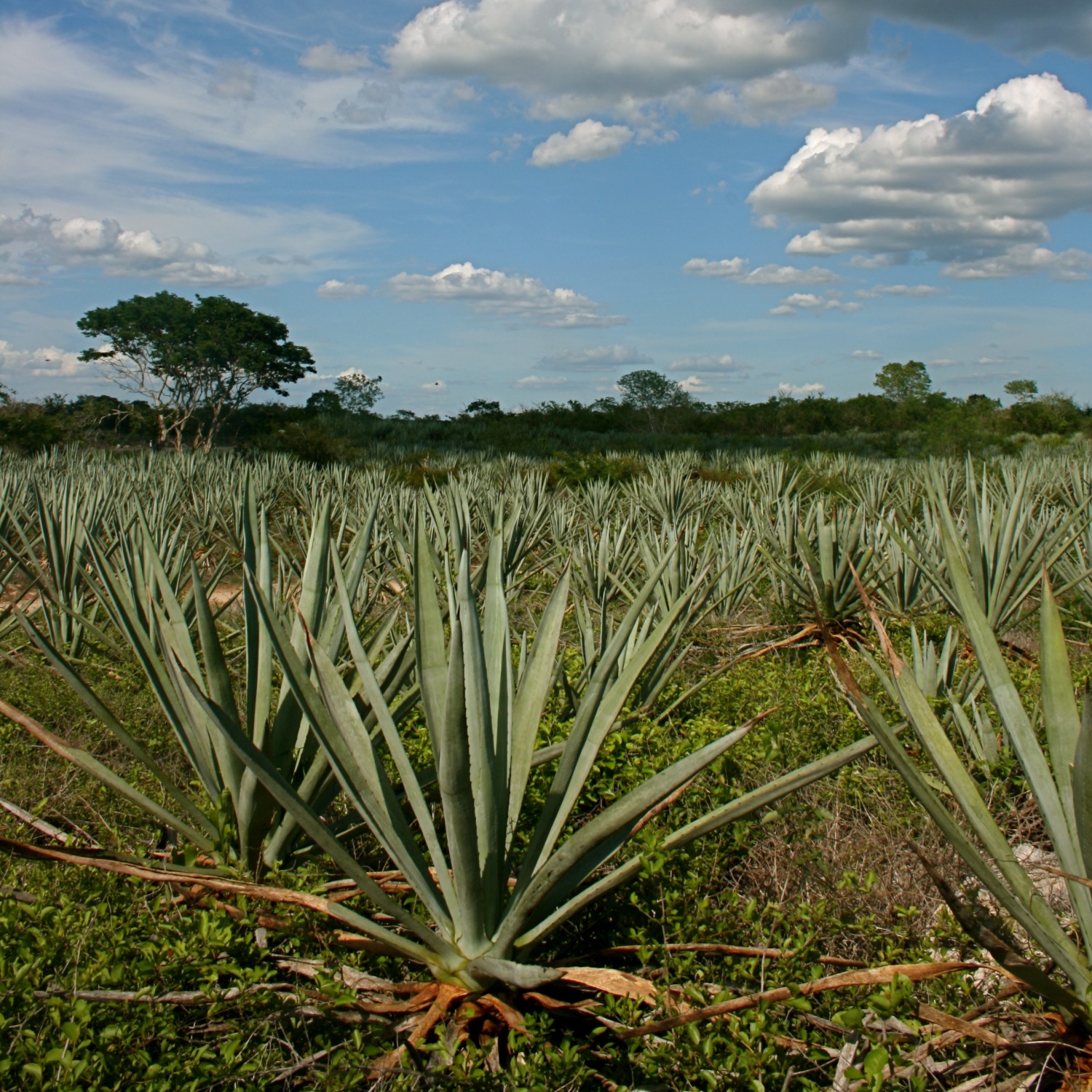
Marta’s family called it ki and for years they mainly made xanab, yamal, and chim with it: sandals, rope, and bags for carrying what the crops yielded. The old people from the villages told tales of different Mayan princes and priests who had discovered the fiber’s special properties. It is Strong and Durable, which is why it was used it to carry very heavy cargo. There was a close relationship between the agave that produced the ki and the Mayans of this time. For many years it was the mainstay of their economy, their handicrafts, and even literature. When the boom was over, families like Marta’s returned to their ancestral customs.
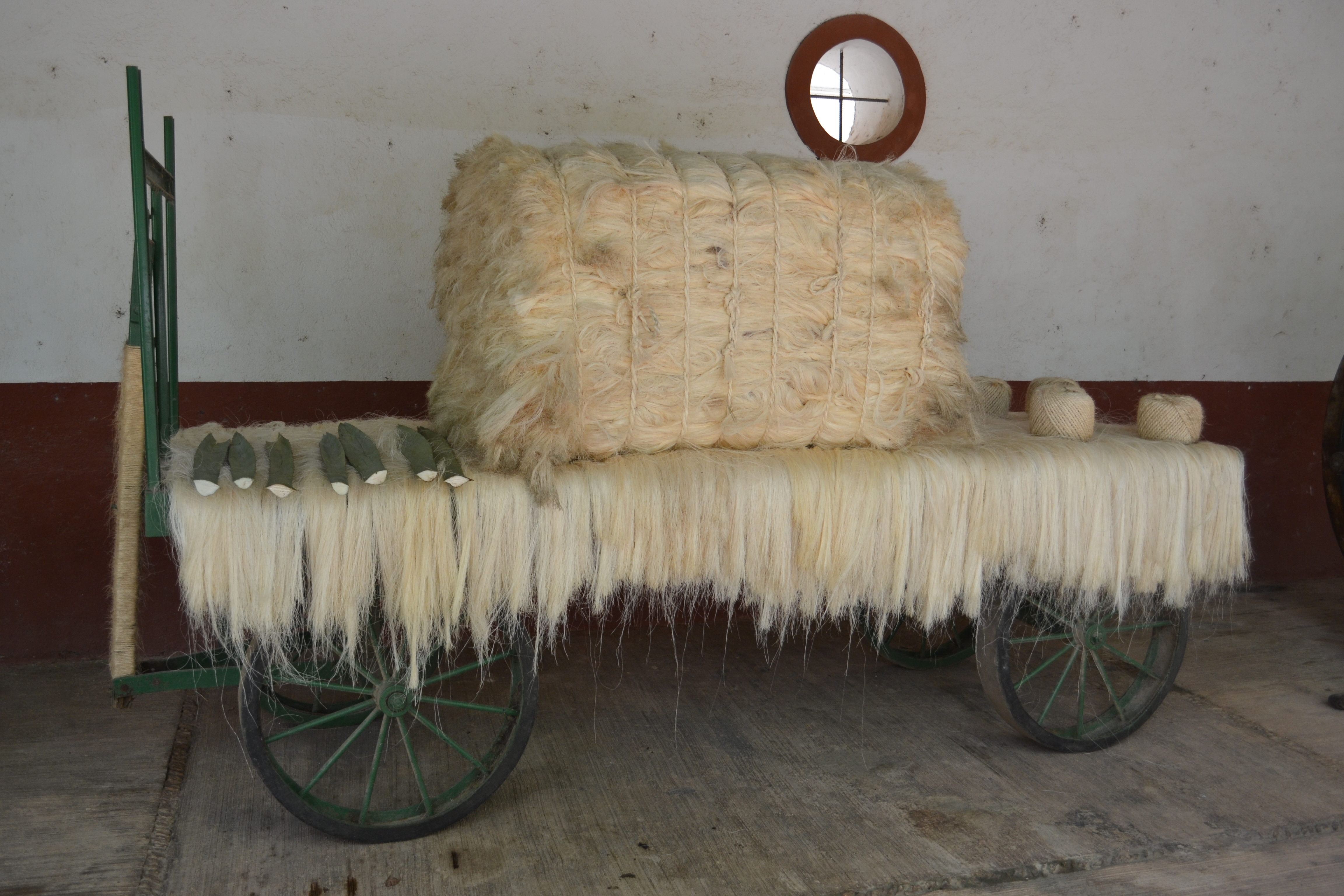
Amparo’s family called it henequén, this agave fiber, and at the beginning of the nineteenth century, it was selling henequen that allowed them to amass a great fortune. Although their participation in the agave boom was small, their lives took a radical turn. The state of Yucatán was producing 90% of the world’s ropes and bags. That’s why it was called Green Gold. Never before was there a product that brought such riches to the state. But, nothing is eternal. When the henequen industry declined, families like Amparo’s felt lost for many years. At last they continued with their lives: one way or another they had to reinvent themselves.
 Divine Caste, by Alicia Spinner