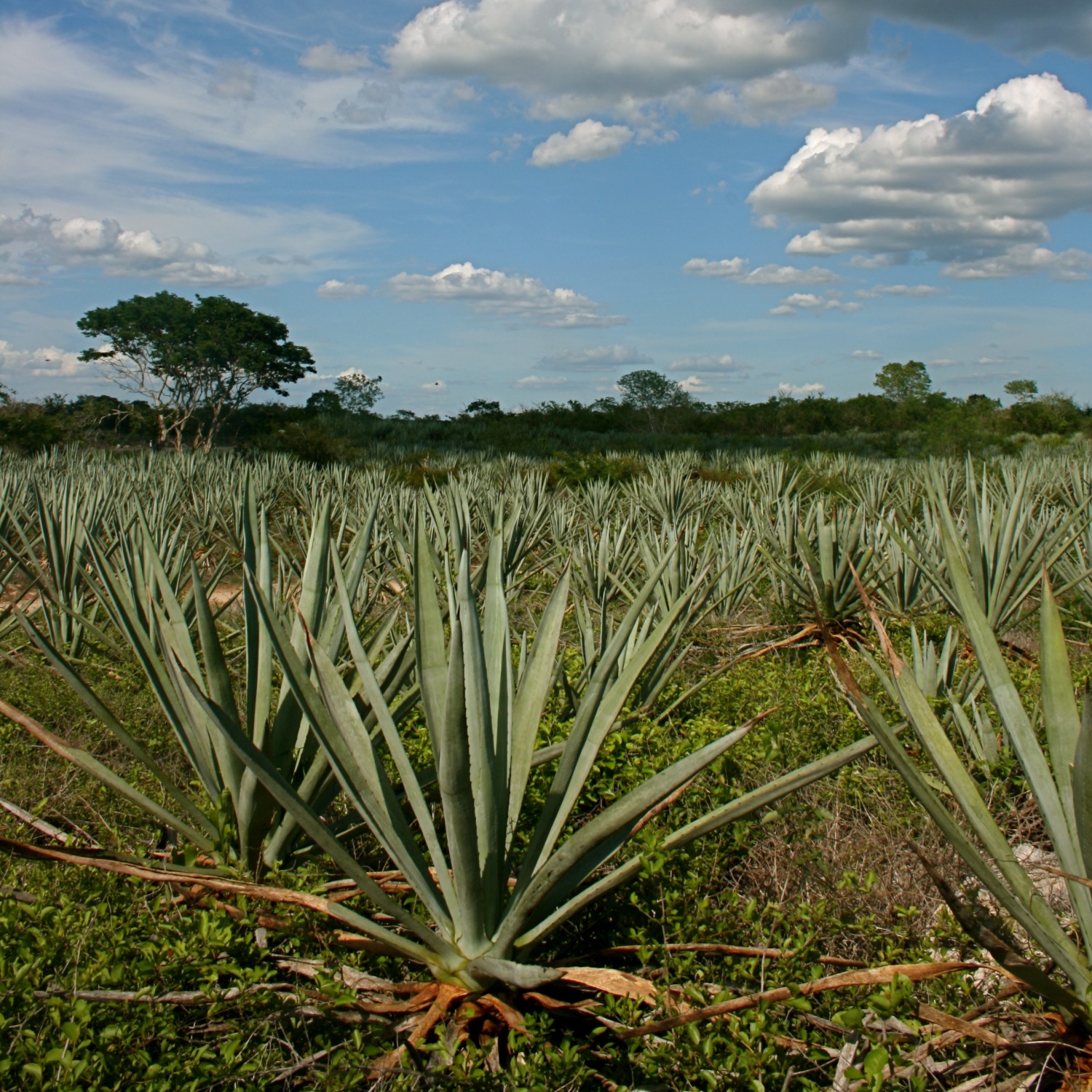
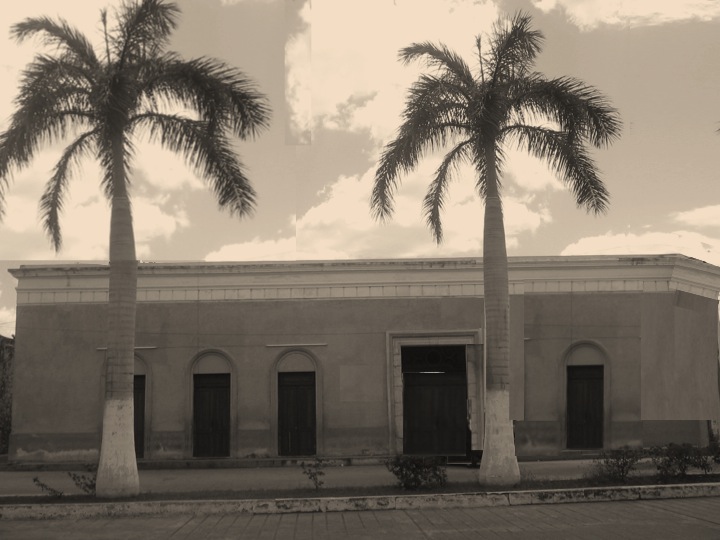
 It was 1875 when the Novelo Puerto family settled in Motul, Yucatán. It was only three years earlier that this lovely village in the south of Mexico had become a city. At that time the population was less than three thousand.
The Novelo Puerto family lived on one of the most important blocks in Motul. Just across from the main square, and next to the convent and the parish of San Juan Bautista. That is where Rita asked Crescencio to build their house, where their children were born, and where the family became an important part of the area’s development. There weren’t many other houses as large or as elegant as theirs. Perhaps there were six more, belonging to other families who, in one way or another, would participate in exporting Mexico’s products, such as cocoa or, later, in producing henequen.
It was also during this time when Motul saw the sudden appearance of an endless number of new businesses that specialized in books, glassware, hats, jewelry, tools of all kind, earthenware, bread, vegetables, icecream, soap, and candles. And convenience stores, like Crescencio’s, where they sold everything and nothing.
You could say that they grew together: at the end of the nineteenth century, the Novelo Puerto family as well as Motul experienced one of their most important periods.
 Divine Caste, by Alicia Spinner